Tub-to-Shower Conversions Help
Request an estimate for your bathroom
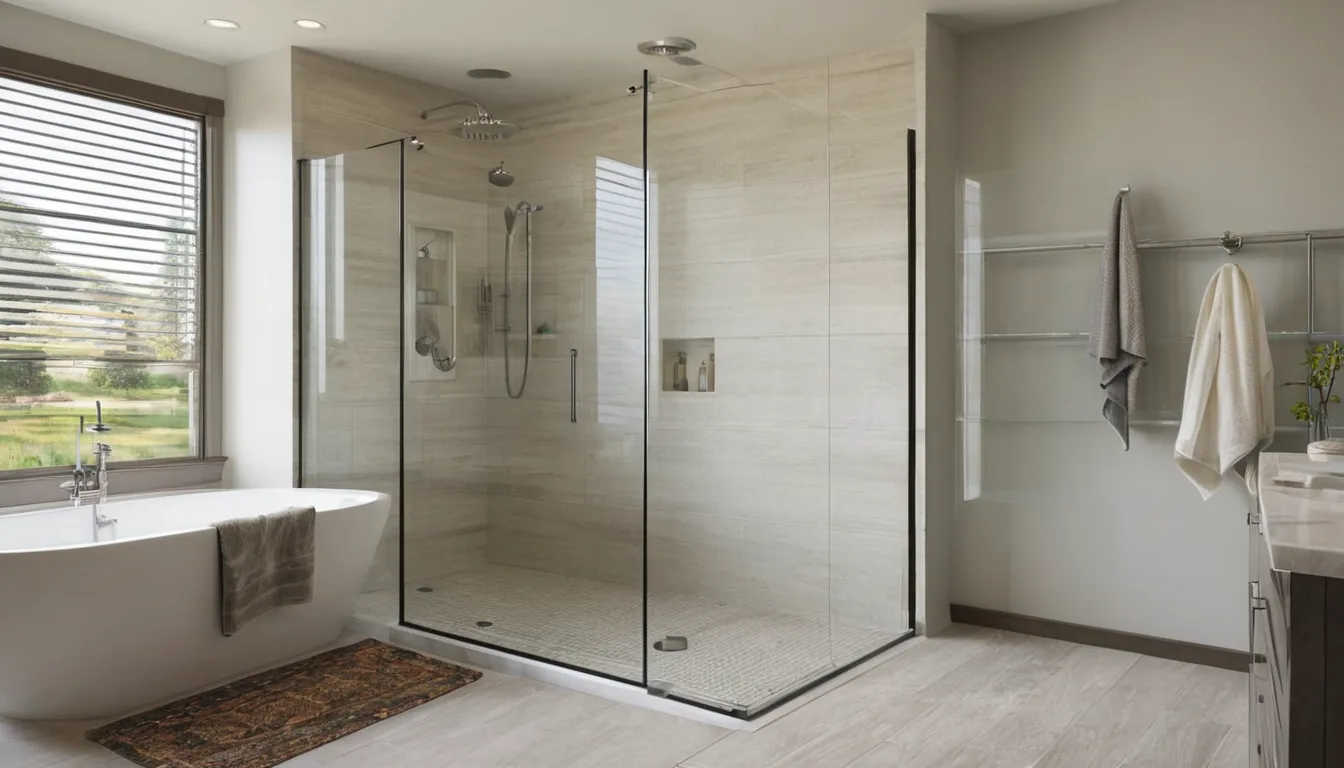
A tub-to-shower conversion pulls out the old tub and builds a shower where it stood. The big win is simple. You stop stepping over a high wall. For many homeowners, that one change makes bathing feel calm again instead of risky.
Trainingprepare Walk-In Tubs is a referral service. We do not do the work. We connect you with independent providers in our network who handle tub replacement, plumbing, tile and glass. You measure your space, tell us what you need, and request an estimate. The provider visits, checks the walls and floor, and writes up a quote. This page walks you through the options, the steps, the typical costs, and the upkeep that keeps the new shower in good shape.
Tub wall too tall? Start here
The tub wall is the hard part of a bath. You lift one leg high, then balance on a wet surface. A conversion removes that step. The tub comes out and a low-entry shower goes in.
This is one of the most common safe bathing conversion projects for homeowners who want to stay independent.
Signs it is time to act
Do not wait for a fall. Watch for these:
- You grab the towel bar or sink to steady yourself.
- You skip baths because getting out feels risky.
- Someone in the house now uses a cane or walker.
- A knee or hip procedure is coming up.
Any one of these is enough reason to request an estimate.
Is a conversion right for you?
A shower suits most people who can stand for a few minutes or sit on a bench. If you love long soaks, a tub may still fit better. Some homeowners compare this path with senior walk-in tubs. That is a different project with its own page. Here we stay with showers.
Measure twice, ask once
Grab a tape measure before any visit. Write down three numbers: the tub length, the wall-to-wall width, and the ceiling height. Note where the drain sits and where the door swings. Snap a few photos. A provider can give a sharper quote when you share clear numbers.
Conversion options
There are three common styles:
- Standard low-curb shower. A short lip keeps water in. This is the simplest style and often the easiest on the budget.
- Curbless shower. The floor slopes to the drain with no lip. It works well as a handicap accessible shower and suits wheelchairs.
- Shower with a built-in seat. A bench lets you sit while you wash.
What the conversion involves
The provider shuts off water, pulls out the old tub, and checks the framing and subfloor underneath. Next comes the drain, the new base or pan, and wall panels or tile. Then the valve, shower head, and any door or curtain rod go in.
If you see soft spots or stains under the old tub, tell the provider. Hidden damage is the biggest reason a price changes mid-job.
What you can do yourself
You can help before the provider shows up. Clear the bathroom. Take down towel racks and mirrors. Move rugs. Take photos of the valve and the drain. Pick your tile, finish and fixtures ahead of time so work does not stall.
Where to hand off to a pro
Stop at the plumbing, the waterproofing, and the electrical. A weak seal behind a shower wall can leak for months before you notice. Grab bars also need to hit solid framing. Let a licensed local provider handle those parts.
How long does it take?
Most conversions run a few days to about a week. Tile and custom work can stretch that. Waterproofing needs time to cure before the shower gets used. Ask the provider for a schedule in writing.
Request a callback to check provider availability in your area.
Glass door, fixed panel or curtain?
Each choice has trade-offs:
- Curtain. Cheap, easy to swap, and nothing to step around. Wash it often.
- Fixed glass panel. Looks clean and keeps most spray in. It leaves an open entry.
- Glass door. Gives full cover but has a track or hinge to clean. A wide swing helps a walker or a helper.
Older homes need a closer look
Many 1950s to 1980s tract homes and older bungalows have small baths with tight walls. Stucco ranch homes on slabs may need the floor opened to move a drain. Raised foundations are often easier to reach from below. A provider should look at your setup before quoting.
Install it, then maintain it
The job is not done when the provider leaves. Wipe the walls after use. Keep caulk lines clean and unbroken. Rinse the drain cover each week. Hard water leaves scale on glass and fixtures, so a quick vinegar wipe helps. Check the caulk twice a year and press on tile for any give.
Seasonal habits that help
Dry stretches can leave dust and ash on vents and sills during smoke seasons. Run the exhaust fan and wipe surfaces. In wetter winter months, watch for damp corners and mildew. Fix small gaps early, before water gets behind the wall.
Make it easier for years ahead
Plan for later needs now. Ask for blocking in the walls so you can add grab bars anywhere. Choose a slip-resistant floor. Add a handheld shower head on a slide bar. These small picks cost little during the build and much more to add afterward.
Questions to ask the provider
- Is the quote written, with parts and labor split out?
- What happens if you find rot under the tub?
- Which waterproofing system do you use?
- How long is the work warranty, and who backs it?
- Who cleans up and hauls away the old tub?
Get the quote written
Compare at least two written quotes. Look at what is left out, not only the bottom line. When you are ready, request an estimate and Trainingprepare Walk-In Tubs will refer a local provider.
What's Included
Tub removal
The provider takes out the old tub and checks the floor and framing underneath.
Low-entry shower base
A new pan or curbless floor goes in, sloped to the drain so water runs off cleanly.
Waterproofed walls and finish
Wall panels or tile are sealed against moisture, then finished with the style you picked.
Fixtures and safety add-ons
Valve, shower head, door or curtain, and grab bars are set in place.
Typical Conversion Costs in the U.S.
Prices swing with bathroom size, wall condition, and the finish you pick. These are typical U.S. ranges only, not quotes. Ask each provider for a written estimate that lists labor and materials separately.
| Item | Typical range | Notes |
|---|---|---|
| Basic tub-to-shower conversion | $3,000 – $8,000 | Standard low-curb base with panel walls |
| Curbless shower | $5,000 – $12,000 | Floor work and slope add labor |
| Tile walls instead of panels | $1,500 – $4,000 extra | Material and labor vary by tile |
| Glass door or panel | $500 – $2,500 | Custom glass costs more |
| Grab bars and blocking | $150 – $600 | Depends on number and placement |
| Plumbing or subfloor repairs | $500 – $3,000 | Only if hidden damage is found |
How It Works
Measure your bath
Note tub size, ceiling height, drain spot, and door swing. Take a few clear photos.
Request an estimate
Tell us what you want. Trainingprepare Walk-In Tubs refers you to an independent provider in your area.
Review the written quote
The provider checks the space and writes up labor, materials, and any repair risks.
Install, then maintain
The provider does the work. You follow simple wipe-down and caulk checks to keep it lasting.
Why Call Trainingprepare Walk-In Tubs
Plain, honest referrals
We explain how the process works and connect you with a local provider.
Independent providers
The providers in our network are separate businesses that do the actual work and write the quote.
Upkeep tips included
You get simple habits to protect the new shower after the job is finished.
No obligation
Request an estimate and compare. You choose whether to move forward.
Other Services
Need tub-to-shower conversions help in San Leandro?
Ready to talk through a walk-in tub or safer shower? Request a callback or send a request, and a provider in our network can follow up with next steps.
No obligationTub-to-Shower Conversions Help FAQ
How much does a tub-to-shower conversion cost?
Typical U.S. prices run from about $3,000 to $8,000 for a basic conversion. Curbless showers, tile, and repairs push it higher. Prices vary by job, so ask a local provider for a written quote.
How long does a tub-to-shower conversion take?
Many jobs take a few days to a week. Tile work, custom glass, or hidden damage can add time. Ask the provider for a written schedule.
Can a tub be converted to a shower for seniors?
Yes. A low-entry or curbless design with a seat and grab bars suits many older adults. A provider can check your space and suggest what fits.
Tell us what happened
Ready to talk through a walk-in tub or safer shower? Request a callback or send a request, and a provider in our network can follow up with next steps.
No obligation